
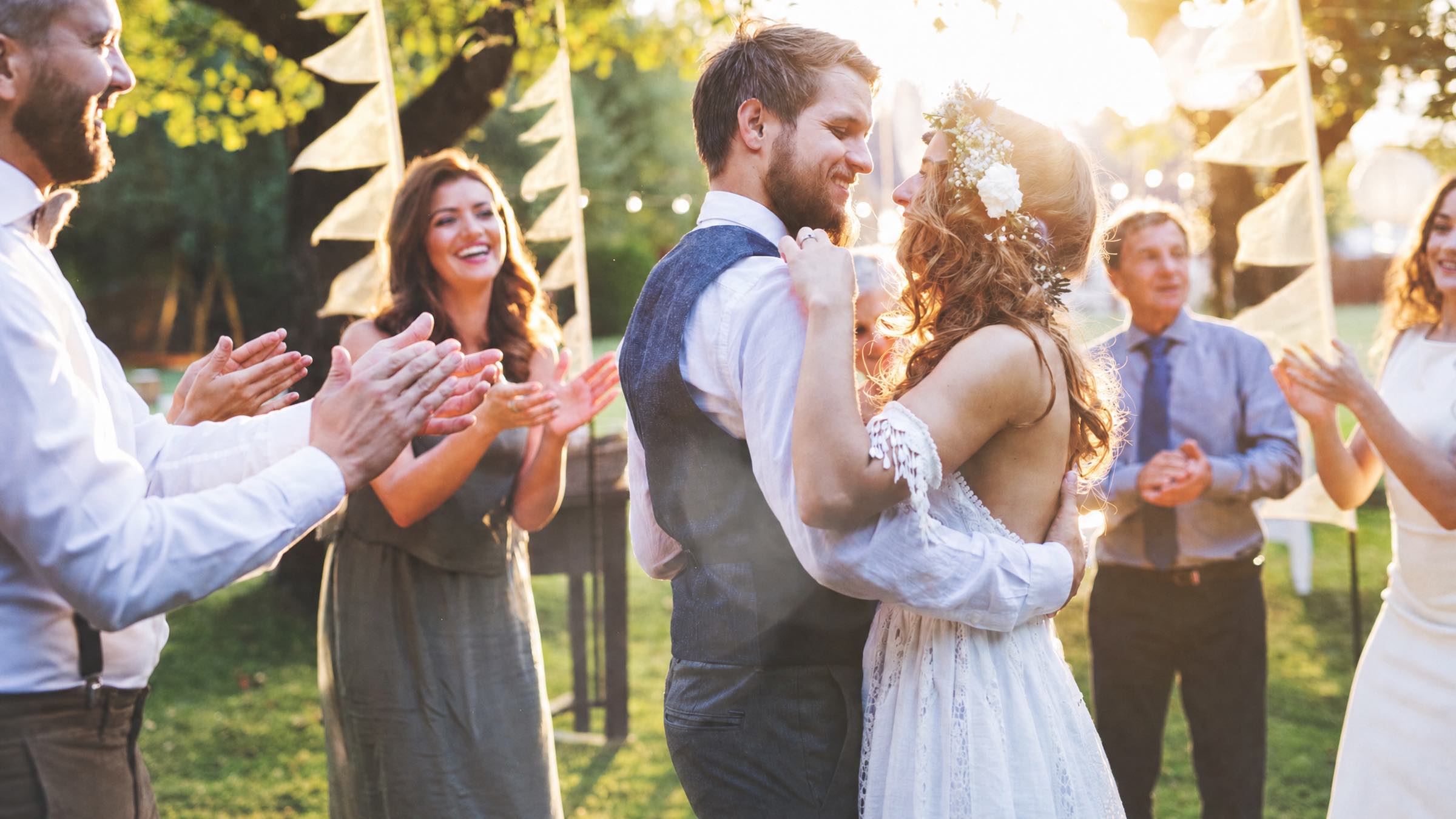
At the heart of this shift is a growing love for immersive styling, and one of the simplest yet most transformative tools in that space is festival décor—especially flags.
The rise of festival-style weddings
A festival wedding blends the structure of a ceremony with the freedom of a celebration. Think open-air venues, mixed seating, food trucks instead of plated meals, acoustic sets or DJs instead of formal playlists, and a general feeling that guests can move, explore, and experience the day rather than just observe it.
What makes this style so appealing is its personality. No two festival weddings look the same. Some are bohemian and rustic in a field, others are coastal and breezy, and some lean into vibrant colour palettes with layered textures and lighting.
But there’s one design element that consistently ties these events together: flags.
Why flags work so well in festival weddings
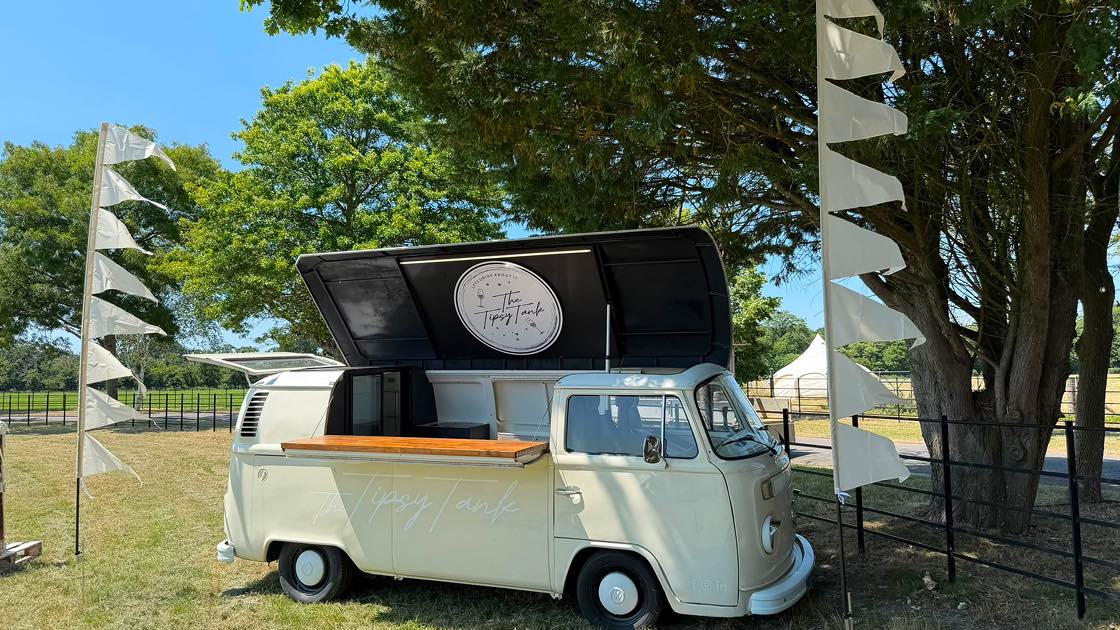
Flags bring instant energy to a space. They move with the wind, catch light beautifully, and create visual rhythm across large outdoor areas. Unlike static décor, they feel alive—something that fits perfectly with the spirit of a festival-inspired celebration.
They can be used to:
- Line ceremony aisles
- Frame entrances or walkways
- Decorate marquees or tents
- Add colour to open fields or garden spaces
- Guide guests between different “zones” of the wedding (ceremony, dining, dancing, chill-out areas)
This is where brands like Festivology Flags have become especially popular. Their designs are made specifically for outdoor celebration spaces, with patterns and colours that complement natural landscapes while still standing out visually in photos and videos.
Styling ideas using festival flags
1. The ceremony aisle moment
Instead of traditional floral rows, flags can line the aisle to create a soft, flowing corridor of colour. When guests are seated outdoors, this instantly defines the space without feeling overly formal.
2. The entrance statement
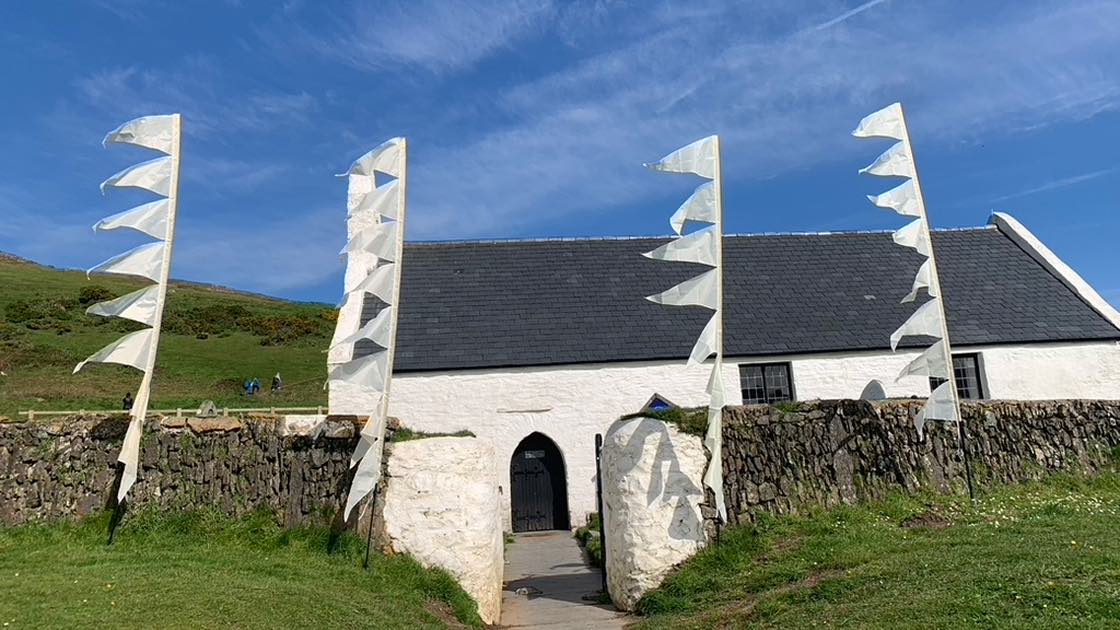
A flag arch or flag-lined pathway at the entrance sets the tone immediately. It signals to guests that they’re stepping into something playful, relaxed, and celebratory.
3. The celebration zones
Festival weddings often include multiple areas—dining, lounging, dancing, even games. Flags help visually separate these spaces while keeping everything cohesive.
4. The photo backdrop effect
Flags moving in the wind create dynamic backgrounds that feel candid and natural in photography. They also help frame group shots in a way that feels less staged.
Colour, movement, and atmosphere
One of the biggest advantages of using festival flags is how they interact with the environment. Unlike rigid décor, flags respond to wind and light. On a sunny afternoon, they cast shifting shadows. At golden hour, they glow softly. In the evening, when paired with string lights or lanterns, they create layered textures that feel warm and immersive.
This movement adds something subtle but powerful: emotion. It makes the space feel less like a decorated venue and more like an experience unfolding in real time.
Keeping it cohesive without overdoing it
A common concern with festival-style weddings is avoiding visual overload. The key is consistency. Choose a colour palette—whether earthy tones, bold primaries, or soft pastels—and let the flags reinforce that theme rather than compete with it.
Pairing flags with natural materials like wood, linen, and wildflowers helps ground the look. It keeps everything intentional rather than chaotic.
Final thoughts
Festival weddings aren’t about abandoning tradition—they’re about reshaping it into something more personal, expressive, and sensory. Flags, especially thoughtfully designed ones like those from Festivology Flags, help bring that vision to life in a simple but powerful way.
They turn empty outdoor spaces into living environments, guide guests through experiences rather than events, and add a sense of movement that mirrors the emotional rhythm of the day itself.
In the end, a festival wedding isn’t just something you attend—it’s something you step into, explore, and remember.